Cannabis and Wellness: Separating Trend from Truth
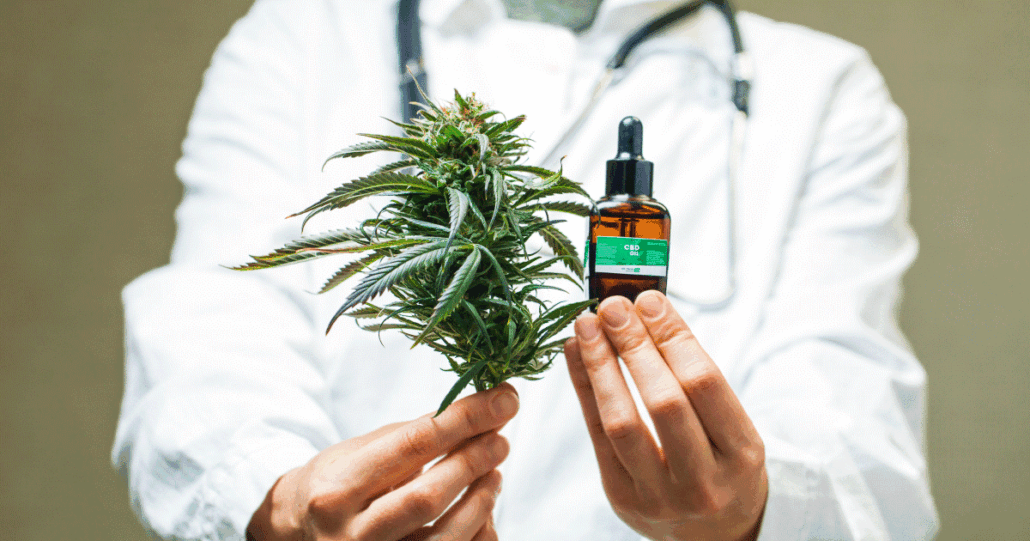
Walk into almost any wellness shop today and you’ll find CBD gummies, cannabis-infused topicals, hemp beverages, and “sleep” tinctures marketed as everyday essentials. As cannabis becomes more mainstream, the conversation is shifting from curiosity to discernment. Consumers want to know what’s supported by evidence, what’s anecdotal, and what’s simply clever branding. Understanding cannabis and wellness starts with separating realistic expectations from overpromised claims—especially when products differ dramatically in strength, quality, and intended use.
CBD and Wellness: Widely Popular, Narrowly Understood

CBD is often positioned as a solution for stress, relaxation, and sleep support. Some people report noticeable benefits, while others feel minimal change. That variability can stem from multiple factors, including dose, product formulation, individual metabolism, and consistency of use. Product quality is a major issue in the cannabis and wellness marketplace. Some items may contain far less CBD than the label states, while others include unnecessary fillers or additives. A practical rule: prioritize brands that provide third-party lab testing, transparent ingredient sourcing, and clear dosing guidance so consumers can make informed comparisons.
Cannabis and Sleep: A Complex Relationship
Sleep is one of the most common reasons adults explore cannabis. THC may help some people fall asleep faster, while CBD may support relaxation by easing pre-sleep tension. However, the relationship between THC and sleep quality is nuanced. Frequent, heavy THC use is often associated with tolerance buildup, meaning a person may need more over time to get the same effect. Some research also suggests high THC use can reduce REM sleep for certain individuals. For anyone using cannabis as part of a cannabis and wellness routine, moderation and consistency—and tracking results—matter.
Mindfulness, Stress, and a Holistic Approach
Cannabis alone is rarely a complete wellness strategy. Many users report more meaningful outcomes when cannabis is paired with habits like breathwork, journaling, light movement, or guided meditation. For some, cannabis may increase sensory awareness and presence, which can complement mindfulness practices. The key is personalization: start low, go slow, and treat cannabis as one tool within a broader wellness framework—not the entire plan.

Published January 2026