
The Evolving Science of Cannabis: What Researchers Are Learning in 2025
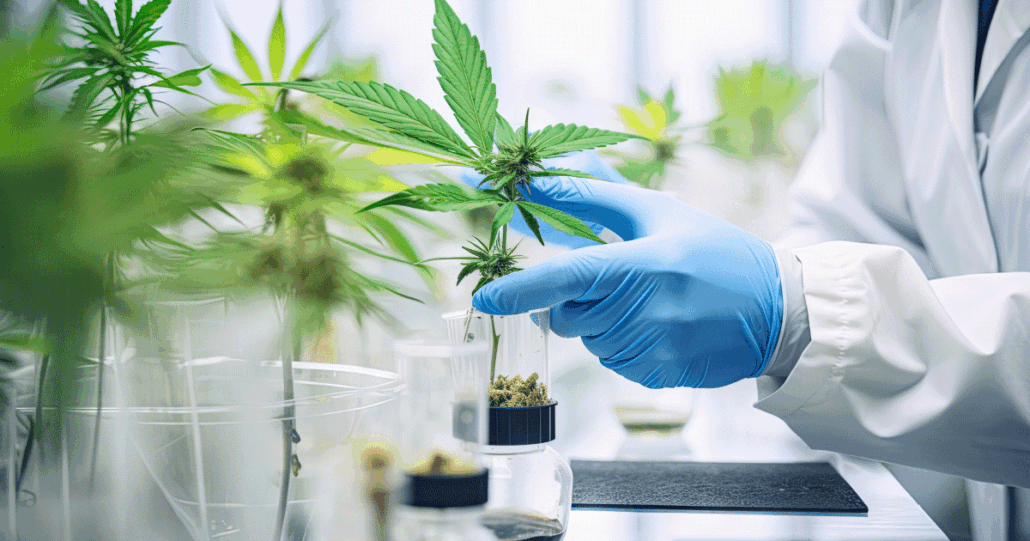
Cannabis research has accelerated over the last decade, and cannabis research 2025 is proving especially informative as more institutions gain access to higher-quality data, modern study designs, and improved surveillance. Researchers are moving beyond broad questions like “Is cannabis helpful?” to more precise work: which cannabinoids, in what doses, for which conditions, and with what tradeoffs. This shift is crucial because cannabis is not a single compound—it is a complex plant with many active chemicals that can produce different effects.
Understanding the Endocannabinoid System Is Still a Frontier
The endocannabinoid system (ECS), first identified in the 1990s, remains one of the most active areas of study. Newer research continues to explore how ECS signaling may relate not only to mood and appetite, but also to immune activity, inflammation, stress responses, memory processes, and circadian regulation. Scientists are also refining how individual cannabinoids—such as THC, CBD, CBG, and THCV—interact differently with ECS pathways. The practical takeaway in cannabis research 2025 is that “cannabinoids” are not interchangeable; effects depend on the specific compound and context.
Therapeutic Potential: Where Evidence Is Strongest
In 2025, the most defensible medical claims still come from standardized, regulated products—not general retail cannabis items. For example, the FDA has approved a purified cannabidiol (CBD) medication for certain rare seizure disorders, reflecting a clear evidence pathway with consistent dosing and safety monitoring.
For chronic pain, ongoing evidence reviews suggest potential short-term benefit for some formulations and pain types, but results vary and adverse effects are common. Researchers continue to emphasize careful patient selection, dosing clarity, and long-term safety data.
Why Standardized Testing Is a 2025 Priority
One persistent barrier in cannabis research 2025 is inconsistency: cannabis products can differ widely by cultivar, growing conditions, and processing methods. That variability makes studies difficult to compare and real-world outcomes harder to predict. Newer policy and research roadmaps increasingly emphasize improved testing methods, better surveillance, and more consistent measurement frameworks to strengthen findings across jurisdictions.
This article is for education only and is not medical advice; readers should consult a qualified clinician for personal guidance.

Published January 2026